


Safety-First Checklist: How to Judge a Trading Platform
Read this before you open any trading account
You do not need to be a pro to pick safe trading platforms.
You just need to slow down and follow a simple checklist.
 Right now, a lot of new traders rush to open a brokerage account, click the first ad they see, or jump into forex trading because someone shared a “hot tip” from a site like Forex Factory. They look for fast profits, not safety. That is how people get hurt.
In 2026, rules for broker firms are getting tighter, and regulators are watching how firms treat small investors more closely.[^1] This is good for you, but only if you know what to look for when you sign up and when you use your E*TRADE login, Zerodha login, or any other account.
Here is what we will do in this guide:
-
Trust first, features second
Before you think about cool tools or a day trading simulator, you will learn how to check if a platform is:- properly regulated in your country
- serious about fraud and scam protection
- using strong security for every login, from E*TRADE login to OANDA login
Groups like FINRA and the SEC publish regular reports and updates to help keep firms in line and to warn about weak spots that can lead to fraud.[^2] You want a broker that treats those rules with respect, not as a joke.
-
Then match the platform to your goal
After you know how to spot trust signals, we will match trading platforms to what you want to do:- Just stocks and ETFs
- Active options trading
- Forex trading with tools like an OANDA demo account
- Practice only, using paper trading and demo trading before you risk real cash
We will talk about how a Fidelity trading platform suits long‑term investors, how a forex‑focused broker fits short‑term traders, and when a day trading simulator is smarter than jumping in with real money.
Along the way, we will also keep things simple around logins and tools you may know, like:
- ETRADE login and “ETRADE E*TRADE login” pages
- Zerodha login for new stock traders in India
- CE Broker login or FINRA login for people who need to check licenses or compliance data
If this all feels like a lot, that is normal. You are not supposed to know it all today.
A calm, step‑by‑step path is safer than trying to learn everything from random videos or hype posts. That is also why many beginners like to follow a simple education source, such as the free Clicks and Trades newsletter at Clicks and Trades. It sends clear lessons on trading safety and crypto basics in small, easy pieces, so you can learn at your own pace.
In the next sections, we will turn this into a clear checklist you can use before you open any account, whether it is your very first brokerage account or a new forex trading platform you want to test with demo trading only.
When you are ready to keep learning in small, plain‑English steps, you can also Sign Up for the free Clicks and Trades newsletter. It is a simple way to get ongoing safety tips and practical guides that match what you will read in this article.
[^1]: You can see these tighter exam and enforcement trends for broker firms in recent analysis of SEC and FINRA activity for 2025 to 2026, which highlights rising focus on how firms handle risk and disclosures to investors, especially with complex products, in order to protect customers. See the overview of SEC and FINRA enforcement trends for broker‑dealers.
[^2]: FINRA’s 2026 Regulatory Oversight Report, along with its rule modernization updates, shows how regulators share findings and guidance with member firms so they can improve their controls around supervision, conflicts, and fraud risks, which directly affects the safety of customer accounts. A clear summary appears in the FINRA 2026 regulatory oversight report insights.
1) Safety‑first checklist: How to judge a trading platform in minutes
Before you touch an E*TRADE login, Zerodha login, OANDA login, or any new app, stop and run through this quick safety list.
 It takes a few minutes and can save you from years of trouble.
Step 1: Check the legal name, not the ad
Scam sites often copy real brands. So you always start with the legal name of the firm.
- On the broker’s website, scroll to the bottom.
- Find the tiny text that says something like “XYZ Securities LLC” or “ABC Financial Services Pvt Ltd.”
- Write that full legal name down, exactly as shown.
Do not trust “cool” brand names you see on Forex Factory posts or social media. Only the legal name counts.
Step 2: Confirm the license on an official site
Next, you check if that legal name is licensed in your country.
Examples:
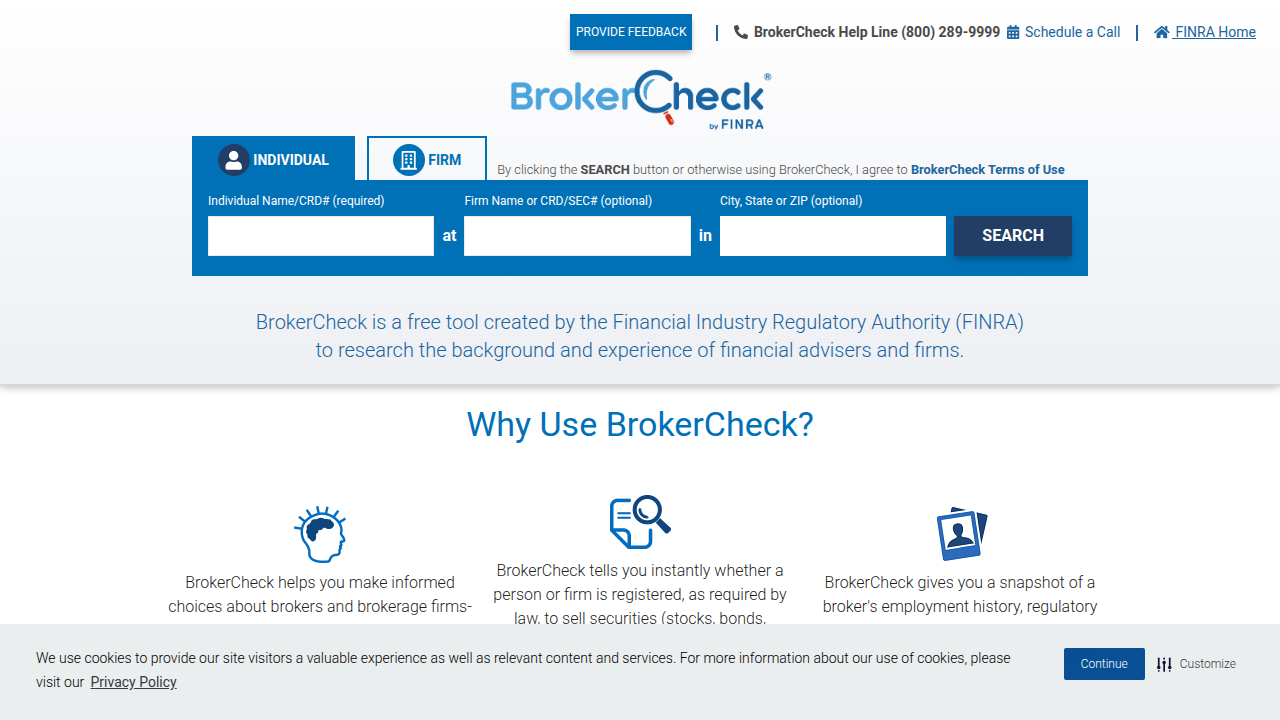
- In the United States, use FINRA’s BrokerCheck and your FINRA login if you have one.
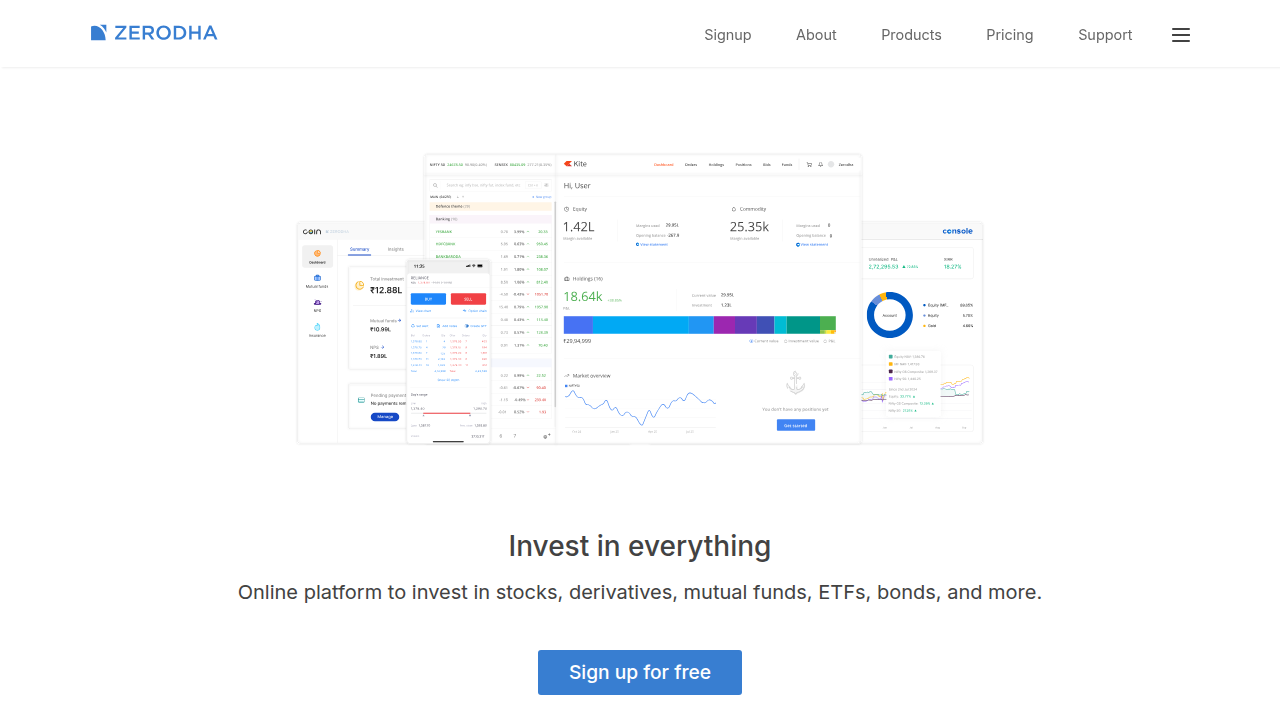
 – In India, you can check if a platform you reach through a Zerodha login is backed by a SEBI‑registered broker.
 – In the UK, look on the FCA register.
- For forex trading, see if the firm is under a top regulator, not just some small offshore island.
What you want:
- Exact match on the legal name
- Clear status as “approved,” “authorized,” or “active”
- License type that fits what it offers, for example brokerage account or forex dealer
Regulators like the SEC and FINRA have stepped up exams and enforcement from 2025 to 2026, with more focus on how firms handle risk and treat small investors, which is meant to improve customer protection in your trading platforms too.https://www.morganlewis.com/pubs/2026/03/sec-and-finra-enforcement-trends-for-broker-dealers-2025-2026
If the name does not match, or you cannot find it at all, walk away.
Step 3: Look for real investor protections
A safe broker will talk clearly about:
- Which regulator oversees them
- How your cash and securities are held
- How complaints and disputes work
- Risk warnings for things like CFDs and high‑leverage forex trading
If a site offers huge leverage or “guaranteed returns” with almost no warnings, it is a bad sign. Strong rules in places like the US and Europe limit leverage for small traders to help cut blow‑ups and scams.https://liquidityfinder.com/insight/industry/comparison-of-cfd-retail-broker-leverage-limits-by-regulator
Step 4: Check basic security on every login
Good trading platforms protect you at login, not just inside the app. When you use an ETRADE ETRADE login, a CE Broker login, or an OANDA demo account, look for:
- Two‑factor or multi‑factor login
- Option to use an authenticator app, not just SMS
- Clear tips on how to spot phishing emails
Security experts in 2026 still say strong two‑factor is one of the top tools to cut fraud risk for financial accounts.https://d7networks.com/blog/why-2fa-matters-best-practices-for-otp-authentication/
If a site that holds your money does not offer at least basic 2FA, you should question it.
Step 5: Make sure the platform fits your “risk pace”
Only after the checks above should you think about what the app can do:
- Long term investing with a Fidelity trading platform
- Short term forex trading with an OANDA demo account first
- Practice only, with paper trading or a day trading simulator
If you are still learning, start with demo trading or paper trading. That way you learn the tools without putting real money at risk.
If you like learning in simple, calm steps, you can also use the free lessons from Clicks and Trades as a friendly guide while you test platforms and logins.
When you are ready to keep building safe habits, you can Sign Up for the free Clicks and Trades newsletter. It gives you short, clear checklists like this one so each new account or trading app feels less scary and more in your control.
2) Best for absolute beginners: Simple UX, paper trading, and clear pricing
When you first open trading platforms, it can feel like a video game with real money. Buttons flash, charts move, and one wrong tap on an E*TRADE login or Zerodha login could place a trade you did not mean to make.
This is why the best platforms for absolute beginners all share three things:
- A simple, calm app layout
- A strong paper trading or demo trading mode
- Clear, easy to find fees
Let’s break these down.
Start with paper trading so you can learn without fear
Paper trading means you practice trades with fake money. The prices are real, the moves are real, but your cash is safe.
 For brand new traders, this is gold. It lets you learn how orders, charts, and positions work, but with no risk to your savings. Experts note that paper trading gives beginners a feel for the market without the pressure to make profits or fear losses, which makes it perfect for your first steps.https://www.kotakneo.com/investing-guide/share-market/what-is-paper-trading/
Look for trading platforms that offer:
- A clear paper or demo account toggle
- The same layout in demo and real mode
- A way to reset your fake balance
Good examples:
- An OANDA demo account for early forex trading practice
- A day trading simulator that copies real stock moves
- Paper trading tools inside a larger brokerage account
If you ever feel lost, stop and switch back to demo trading. Take notes on what you tap, what happens, and what confuses you.
Simple apps beat “pro” screens for your first year
As a beginner, you do not need twenty indicators or ten time frames. You need to understand what one tap does.
When you test an ETRADE ETRADE login, CE Broker login, Zerodha login, or even a Fidelity trading platform, ask yourself:
- Can I see my cash, holdings, and open orders in one clean view?
- Is the “buy” or “sell” button clear, with a simple order form?
- Can I find “cancel” or “close” quickly?
If you came from a busy site like some Forex Factory threads full of charts and terms, a clean mobile app will feel slow at first. That is good. Slow and clear helps you avoid surprise trades.
Clear pricing keeps small fees from eating you alive
Many new traders worry about big crashes. In real life, slow fee leaks hurt more often.
On any new brokerage account or forex trading app, you should be able to find, in just a few taps:
- Stock or ETF commission costs
- Forex spreads or markups
- Account or platform fees
- Margin or overnight costs
If a platform makes fees hard to find, or lists them in very tiny print only, it is not a good sign. Simple, beginner friendly trading platforms keep the pricing page easy to read, often with plain examples.
A quick beginner checklist for any trading app
When you try a new platform, use this short list:
- Log in and see if you can find the paper trading or demo mode
- Place one tiny fake trade, then close it
- Find the “fees” or “pricing” page in under one minute
- Check that the live account looks almost the same as the demo account
- Make sure you can log out and back in without trouble
If an OANDA login, E*TRADE login, or other app fails this simple test, do not rush in with real money.
Learn in calm steps, not in a rush
You do not have to figure all this out alone. A simple learning path can make your first trades feel much less scary.
Resources like Clicks and Trades focus on slow, step by step guides, not hype. You can practice with paper trading, learn how logins work, and then move to small real trades when you feel ready.
If you want short, clear checklists to go with your demo trading, you can also Sign Up for the free Clicks and Trades newsletter. It gives you calm, beginner friendly tips so that each new trading platform feels like something you can handle, one small step at a time.
3) Best for low‑cost stock investing: Commissions, spreads, and the real cost of trading
You might see “zero commission” on a trading app and think, “Nice, this is free.” It is not.
With stock and forex trading platforms, the real cost hides in a few spots. To keep more of your gains, you need to look at the full picture, not just the big “0” on the home page.
Total cost is more than just commissions
For stock investing, your true cost per trade looks like this:
Total cost = commissions + spreads + routing quality + account or FX fees
Here is what each part means in simple terms.
-
Commissions
This is the fee the broker charges per trade, like 1 dollar per order. In other areas of finance, like business broker deals, it is normal to pay a clear, stated commission, which can be a big percent of the deal size.How much business broker fees cost in 2026
With online trading platforms, commissions can look tiny, or even show as zero, so it is easy to ignore them. -
Spreads
The spread is the gap between the buy price and the sell price at the same moment.
A wide spread means you lose more the second you enter the trade, even if the app says “no commission.”
This is a big deal in forex trading, but it also matters for small stocks and ETFs. -
Routing quality and fill price
When you tap “buy” on an E*TRADE login, Zerodha login, or Fidelity trading platform, the app has to send your order somewhere.
Better routing can give you a better “fill” price, which means you pay a bit less when you buy, or get a bit more when you sell. Over many trades, a few cents each time really adds up. -
Account fees and FX fees
Some brokerage account setups charge:- Monthly or yearly account fees
- Inactivity fees if you do not trade
- FX conversion fees if you buy a U.S. stock with another currency
A “cheap” app with hidden FX fees can cost more than a clear, low‑fee broker.
How “free” trading can still cost you
Many stock trading platforms cut or lower visible commissions. In other parts of finance, like real estate, people are starting to pay more attention to how fees and splits really work, because even small changes can shift what the customer keeps.How agent earnings are shifting with new commission rules
The same idea applies to you as a small stock investor. You want to know not just “what is the fee” but “how does this broker get paid, and does that change my price.”
Two key ideas help here.
1. Payment for Order Flow (PFOF)
Some brokers get paid when they send your order to certain trading firms. This is called Payment for Order Flow.
- Good side: It can help brokers offer low or zero commissions.
- Risk: The firm that pays for the flow might not give you the very best price each time.
This is why routing quality matters. A platform that focuses on “best execution” tries to get you the best possible price in the market, not just the fastest or cheapest route for them.
2. Best execution in real life
“Best execution” is a rule that says brokers should try to give you the best reasonably available price, within limits. In practice, this means:
- Fast fills during normal market hours
- Smart routing to many venues, not just one
- Fair prices even for small orders
If you like to read deep market talk on sites like Forex Factory, you may see traders discuss slippage and fill quality. The same ideas apply when you buy a simple ETF for long term investing.
How to compare low‑cost trading platforms
When you test an ETRADE ETRADE login, a CE Broker login style pro dashboard, an OANDA login for forex, or a standard brokerage account, use this quick list.
Ask these questions:
-
Commissions:
- What is the fee per stock or ETF trade?
- Do options or other products cost more?
-
Spreads:
- For your main stocks and ETFs, is the spread usually just 1 cent, or is it wide?
- In a day trading simulator or paper trading account, what does the spread look like when the market is busy?
-
Routing and fills:
- Does the broker talk openly about best execution on their site?
- Do they share any stats on price improvement?
-
Account and FX fees:
- Is there any minimum balance fee?
- Are there FX conversion costs if you buy in another currency?
- Are there “custody” or “platform” fees hidden in small print?
If a platform makes this hard to see, or uses tiny, fuzzy text, be careful. A simple pricing page with clear examples is a good sign.
Long term investors: why this matters even if you trade rarely
You might think, “I am not a day trader, I just buy and hold, so who cares.” It still matters.
- A higher FX fee each time you add money is like a slow leak.
- A wide spread on a low volume ETF can eat a big chunk of your return.
- Hidden account fees keep charging you, even when you do nothing.
Good trading platforms are honest about this, and let you see costs before you tap “confirm.”
Keep learning about cost, risk, and safety
If the fee talk feels heavy, that is normal. Money topics can get messy fast.
One way to handle this is to learn in small, clear steps. Sites like Clicks and Trades focus on slow, simple guides that explain how trading platforms, fees, and order types work, without hype or jargon. The free newsletter shares short tips on things like spreads, order routing, and how to read fee pages, so you can spot real costs before you place a trade.
If you want those calm, step by step checklists in your inbox, you can Sign Up for the Clicks and Trades newsletter. It helps you grow from “this looks free, I hope it is fine” to “I know what I pay, and why,” one small lesson at a time.
4) Best for active stock traders: Tools that really matter
If you place just a few trades a year, a simple app is fine.
If you place many trades each week, the tools inside your trading platforms matter a lot.
For active stock traders, tiny things like speed, order type, and uptime can change your results more than a 1 dollar fee.
1. Smart order routing to cut slippage
Slippage is the gap between the price you tap and the price you get.
When you are in and out fast, that gap can hurt.
Good stock and forex trading platforms try to lower slippage with:
-
Smart order routing
The system sends your order to places that are most likely to give you a better price.
On an ETRADE ETRADE login, Zerodha login, or Fidelity trading platform, look for clear “best execution” reports, not just “fast fills.” -
Price improvement stats
Some brokers show how often they got you a better price than the quote you saw.
This is like a quiet discount on each trade.
Regulators in many markets keep pushing brokers to prove their routing rules and algo tools are safe and fair, which gives more power to active retail traders in 2026.Understanding SEBI’s new algo trading rules for retail investors
If a broker will not talk about routing at all, that is a red flag.
2. Depth of market and live data
When you trade often, the normal “last price” is not enough. You want to see the whole “ladder” of buyers and sellers.
Look for:
-
Depth of market (DOM)
Shows how many shares sit at each price level. This helps you see where big orders wait, and where price may stall. -
Real time quotes
Free data that lags by even 15 minutes can be risky if you scalp or day trade. -
News and calendar tools
If you watch forex factory style feeds for events, you know that big news can move spreads fast. Your stock platform should also warn you about key events and earnings.
Test this in a day trading simulator or paper trading mode first. Many platforms, like an OANDA demo account for forex trading, let you see live moves with fake money. A good demo trading setup helps you learn the tools before you risk cash.
3. Conditional and advanced order types
Active traders need more than simple “buy” and “sell.”
Helpful order types include:
-
Stop loss orders
Close the trade if price hits a level you set, so one bad move does not kill your account. -
Take profit orders
Lock in gains when price reaches your target, even if you are not at your screen. -
Bracket and OCO orders
Place a stop loss and take profit at the same time, or set “one cancels the other” orders for breakouts.
As more people use algorithms in 2026, smart order tools are becoming a “must have,” not a bonus.How algo trading is changing retail trading opportunities
On any E*TRADE login, CE Broker login style pro platform, or OANDA login, click around and see which orders you can set. If you cannot place a simple stop loss or bracket from the main trade ticket, the platform is not built for active use.
4. Reliability and uptime during wild markets
All the tools in the world do not help if the app dies when you need it.
For active traders, reliability is as important as low cost:
-
Uptime during high volume days
Try the platform during big market events or open times with your paper account. Does it freeze or lag? -
Order status clarity
After you click “sell,” you should see at once if the order is open, filled, or canceled. No guessing. -
Fast support when things break
If a trade hangs, can you reach support by chat or phone and get a clear answer?
Think about it like this. In real estate, agents pick a brokerage that will not fail them in peak season, even if it costs a bit more.What real estate agents look for in a brokerage in 2026
As an active trader, you need that same steady base under your brokerage account.
5. How to test if a platform is “active trader ready”
Before you trust real money, run this quick test on any trading platform you use, from a basic app to a pro style CE Broker login screen.
Check:
- Can you use a paper trading or demo trading mode with live prices?
- Do you see depth of market or at least very tight spreads on your main stocks and ETFs?
- Do order tickets let you set stop loss and take profit in one shot?
- Do you get clear fills when markets move fast?
- Does the platform share anything like routing or best execution info?
If you like to study tools slowly, a simple, clear site like Clicks and Trades can help you learn the basics of trading platforms, order types, and risk in plain words, before you scale up your activity.
When you are ready to go deeper, it helps to get small lessons instead of a fire hose of info. The free Clicks and Trades newsletter sends short tips on tools, safety, and step by step checklists for both stock and crypto. If that sounds useful, you can Sign Up and learn how to pick and test platforms in a calm, simple way, one email at a time.
5) Best for forex: Regulation, leverage limits, and platform standards
Forex trading feels fast and fun. It can also go bad very fast if your trading platforms are not safe.
Good forex and CFD platforms do three big jobs for you:
- Keep your risk within clear limits
- Follow strong rules from real regulators
- Make it hard to wipe out your whole account in one wild move
Let us break this down in plain words.
1. Why forex rules and leverage caps matter
With forex trading, you often use leverage.
Leverage lets you control a big trade with a small amount of money.
That sounds great. The problem is that high leverage can blow up a small account in minutes.
So, many top regulators now limit leverage for normal users:
- In the US, rules cap most forex trades at about 50:1 on major pairs, and lower on others, to cut risk for retail traders.Maximum leverage rules in the US
- In places that follow ESMA in Europe, and FCA in the UK, retail CFD and forex trades often sit near 30:1 for major pairs, and even less for riskier products.How ESMA limits CFD and forex leverage
Some offshore brokers still shout about 400:1 or 1000:1.
That might look “powerful,” but it also means tiny moves can wipe you out.
If you are new, a lower leverage cap is not a cage. It is a seatbelt.
2. What to check in a regulated forex broker
When you open a forex or CFD brokerage account, do not just look at spreads. Look at safety rules too.
Good trading platforms for forex should offer:
-
Clear regulator and license info
You should see the license body and number in the footer or “about” page, not in fine print that is hard to find.
If you trade through a local firm, you might see your login page sit next to other tools you know, like an E*TRADE login or a Zerodha login for stocks, or even a CE Broker login style portal for pros. The key is that each part is clearly tied to a real regulator. -
Negative balance protection
This means you cannot owe more than the cash in your account if a gap move hits. Many top CFD rules in the UK and EU now require this for retail clients.FCA rules for CFDs and retail clients -
Simple margin rules
Margin is the money you must keep to hold a trade.
The platform should show, in plain view:- How much margin each trade uses
- What percent margin you have left
- When you will get a margin call or auto close
If the app hides margin in tiny text or makes it hard to see, that is a warning sign.
3. Safer leverage by region
Leverage rules change by where your broker is based. Here is a simple view for retail forex and CFDs in 2026.
| Region / main rule body | Common cap on major FX pairs | Notes |
|---|---|---|
| US (NFA / CFTC) | Up to 50:1 | Lower caps on non majors to limit risk for retail users.How regulators set forex leverage caps |
| UK / EU (FCA, ESMA style) | Around 30:1 | Often less on minors, gold, indices and single stocks.How CFD trading adapts to global rules |
| Australia (ASIC) | Around 30:1 | Similar to ESMA, rules made tougher to protect small accounts. |
| Some offshore hubs | 200:1 and higher | Tempting, but very high risk for new traders. |
If a broker gives you a very high leverage offer that does not match your region’s normal caps, stop and ask why.
4. Platform features that protect forex traders
On the screen, a forex app can look like any stock or crypto app. Good trading platforms, like a well built OANDA login, will show extra tools that cut risk:
- Default stop loss and take profit fields on every ticket
- Margin use and free margin in big, clear numbers
- Trade size helpers that show “pip value” or cash at risk
- Easy access to account reports, swaps, and fees
You can test many of these in a day trading simulator or paper trading mode.
An OANDA demo account, for example, lets you see live forex spreads with fake money.
 This kind of demo trading is perfect if you come from stock tools like a Fidelity trading platform or ETRADE ETRADE login and want to feel how forex moves before you put in real cash.
If you like to track events with a Forex Factory style calendar, look for a built in news and event feed too. Big rate news can spike spreads and hit your margin fast.
5. A simple checklist before you trade forex for real
Before you wire money to any forex broker, walk through this short list:
- Is the broker clearly licensed by a known body in your country or region?
- Are leverage caps in line with local rules, not wildly higher?
- Do you see negative balance protection for small retail accounts?
- Are margin rules and margin call levels easy to find and easy to read?
- Does the platform have a paper trading or demo mode with real time prices?
- Can you place stop loss and take profit on every trade without hunting through menus?
If you answer “no” to more than one of these, look for a safer platform.
If you feel lost with all the terms, it can help to learn in small, clear steps. A site like Clicks and Trades keeps language simple and explains how trading platforms, risk, and leverage work in plain words. Their free newsletter sends short tips on safety and step by step checklists, so you are not stuck piecing things together alone.
If you want that kind of slow, calm help in your inbox, you can Sign Up for the Clicks and Trades newsletter and keep learning how to judge forex and stock platforms with a clear head before you put your money on the line.
6) Best education and research: Learn fast, avoid costly mistakes
Most people lose money in markets not because they are “dumb,” but because they guess.
 Good trading platforms help you stop guessing and start learning in a clear way.
The best platforms do two big things for you:
- Teach you basics in small, simple steps
- Turn that teaching into real, smart actions on your screen
Let us look at what that means.
1. Learn the words, then the skills
If you open an E*TRADE login, Zerodha login, or even a pro style CE Broker login or FINRA login page, it can feel like a new language. Margin. Options. Pips. Lots.
Strong platforms make this easy with:
-
Structured lessons
Short “courses” on stocks, forex trading, and crypto, in clear order.
You learn what a brokerage account is, what risk is, and how orders work, one piece at a time. -
Plain glossaries
A simple A to Z list of trading words, with one or two line meanings.
No math talk. No heavy jargon. -
Quick practice quizzes
Tiny tests after each lesson help lock ideas in your mind.
If you miss a question, you see the right answer and a short note.
This kind of step by step style is what makes a site like Clicks and Trades feel so safe for new traders. It uses simple language and clear checklists, so you do not feel lost.
2. Practice first with paper trading and simulators
Reading is not enough. You also need to click buttons and see what happens, without pain.
Good trading platforms offer:
-
Paper trading or demo trading
You trade with fake money, but on real prices. This lets you learn how orders, stops, and targets work, with zero financial risk.Paper trading lets beginners learn without the pressure of real losses -
A day trading simulator mode
You can speed up time, pause, and rewind. This is great for testing your ideas again and again.
If you come from a Fidelity trading platform or ETRADE ETRADE login, you might also test forex with an OANDA login and an OANDA demo account. That way you feel how fast currency pairs move before you fund a real account.
3. Turn research into real action
Education is nice. Education that links to your next click is better.
Top platforms tie learning to tools like:
-
Built in stock and ETF screeners
After you learn what “PE ratio” is, you can filter for it on real stocks. -
Analyst reports and simple charts
You can read one page views of a company, then see its price and volume chart on the same screen. -
News and calendar feeds
A Forex Factory style calendar inside your app shows rate decisions, earnings, and big events, right next to your watchlist.
You learn why news matters, then see how prices react in real time.
The goal is simple. Learn a word, see it on a real tool, click, and try it with tiny size or in paper trading.
4. A simple checklist for “learning friendly” platforms
Before you choose a platform for your next steps, look for:
- Short, clear lessons for stocks, forex, and maybe crypto
- Glossaries and quizzes in kid level language
- Paper trading or demo trading with live market data
- Built in screeners and basic analyst reports
- A news or event calendar tied to your watchlist
If your current app has none of this, you can learn the same ideas from outside sources and bring that skill back to any broker.
One easy way is to follow a simple, steady guide like the free Clicks and Trades newsletter. It sends short lessons on trading platforms, risk, and crypto safety, so you can learn at your own pace without noise or hype. If that sounds useful, you can Sign Up and keep building your skills in small, calm steps.
7) Best for international access: Markets, currencies, and tax docs
You might live in one country, earn in a second, and want to invest in a third.
If your trading platforms are not ready for that, small problems can turn into big headaches.
Here is what to check before you send money across borders.
1. Markets and currencies you can really use
If you only trade your home stock market, most big names like an E*TRADE login or Zerodha login will feel fine.
But if you want more, look closely at:
-
Market list
Can you buy US stocks, European stocks, and maybe some Asian markets from one brokerage account?
Some platforms only give a few foreign ETFs instead of real local shares. -
Multi currency wallets
Can you hold cash in your home money and in USD, EUR, or JPY at the same time?
This matters if you trade US stocks but live in another country, since each trade can trigger a small FX fee. -
FX costs for stock and forex trading
Check the spread and any extra fee when you move from your money to another.
If you also use an OANDA login with an OANDA demo account for forex, compare what you pay there with what you pay on your stock broker. -
Trading hours and tools
See if the app shows local market hours, and if it warns you when a market is closed.
A Forex Factory style calendar can also help you plan around big global news and bank meetings.
If you are not sure how to compare all this, a simple education site like Clicks and Trades walks through account types, FX fees, and basic safety in very small steps, which is ideal if you feel lost.
2. Can this broker serve people from your country?
Just because you can open the website does not mean the broker is allowed to serve you.
Before you fund any account:
-
Check their license list
Good brokers show what regulators watch them, and in what regions.
In 2026, regulators like FINRA and the SEC are watching global brokers very closely and pushing for tighter checks on who they accept and how they handle client money.Recent enforcement trend reports highlight more focus on cross border activity and broker controls. -
Look for clear “who we serve” pages
Some US brokers only allow US residents, even if you can log in from abroad.
Others have separate versions for Europe, the UK, or Asia, each with its own rules.
If you ever see a CE Broker login or FINRA login mentioned on a firm’s site, remember those are regulator style systems, not normal trading accounts for retail users. You still need to check if the broker itself is approved for people in your country.
3. Tax forms and reports you will need later
It is easy to open a Fidelity trading platform account or a new app.
It is much harder to fix tax problems years later.
Look for:
-
Annual summaries
At tax time, you want one clean report that shows gains, losses, and dividends.
Ask if they give this in a format your tax office or your accountant accepts. -
Country specific tax forms
For example, US brokers often give 1099 forms to US persons.
Non US users may instead get simple profit and loss reports, or special local forms. -
Withholding rules on foreign dividends
If you buy foreign stocks or ETFs, some tax may come out before you even see the cash.
Good trading platforms explain this on their help pages in plain words.
If this feels confusing, it is normal. Taxes and cross border rules change a lot.
Staying close to clear, beginner style education, like the free Clicks and Trades newsletter, can help you spot red flags early and avoid messy surprises later.
4. A quick checklist for “global ready” platforms
Before you move big money to trade abroad, make sure your platform:
- Lets you hold and trade in more than one currency
- Shows FX fees in a simple way
- Lists which countries and regions it is allowed to serve
- Gives yearly tax reports you can share with a pro
- Explains dividend and tax rules on foreign holdings in plain language
If your current app is weak here, do not rush. Start with tiny size or demo trading only, and keep learning how cross border rules work.
If you like slow, simple, step by step help with topics like this, you can join the free Clicks and Trades email lessons. They focus on safe setup, platform checks, and crypto basics in calm, clear language. You can Sign Up and keep building smart habits before you scale up.
8) Best for safety and trust: Security features that protect your account
Your trading platforms hold real money, tax data, and personal ID.
So the most “advanced chart” feature will not matter if someone can walk right into your account.
Here is what to look for so you can trust your E*TRADE login, Zerodha login, OANDA login, or any new app you try.
1. Strong login and 2FA that is hard to steal
Good platforms treat your login like a front door with more than one lock.
Look for:
-
App based 2FA, not just SMS codes
In 2026, experts say two factor is still key, but the second step should live in an authenticator app, not on the phone network, since text messages can be hijacked or copied.Modern 2FA guides stress moving codes into a dedicated app to cut fraud risk. -
Biometrics and passkeys
Some trading platforms now let you use face scan, fingerprint, or passkeys that link to your device.
Banks and brokers are adding these FIDO style tools to reduce password theft and phishing tricks.Recent reports show more firms using biometrics and FIDO standards to fight account takeovers. -
Hardware keys for larger accounts
If you hold a lot of money or trade often, ask if the broker supports security keys that plug into USB or use NFC.
This can give you “tap to approve” logins that are very hard to fake.
You can use a day trading simulator or OANDA demo account to practice safe login habits first, before you risk real cash.
2. How your money and data are kept safe inside
Once you are in, the real question is what happens behind the screen.
Stronger platforms will:
-
Keep client funds in separate accounts
Your cash and securities should sit in segregated client funds, not in the broker’s own money pool.
This helps protect you if the firm has problems or debts. -
Use strong encryption for data
In 2026, good finance apps encrypt data when it moves and when it sits on their servers, limit who can see it, and monitor access closely.Security guides for fintech apps stress full encryption and tight access controls to guard sensitive financial data. -
Show clear security policies
A serious broker explains how it stores your data, how long it keeps records, and what it does if there is a breach.
You should not have to dig through ten pages to find this.
If your Fidelity trading platform or any other brokerage account is vague about how money and data are held, treat that as a warning sign.
3. Extra safety tools that make your life easier
Look for small features that lower stress:
- Login alerts for new devices or locations
- Fast lock or freeze options for your account if you think it is hacked
- Read only or paper trading modes so you can test features with no risk
- Simple download of statements so you can spot strange activity early
These tools help you stay calm, even when you check your account during busy forex trading sessions or while you scan a Forex Factory style calendar.
4. Your simple safety checklist
Before you trust any E*TRADE login, Zerodha login, crypto app, or new broker with real money, make sure:
- You can turn on app based 2FA or passkeys
- The platform supports modern security methods, not only passwords
- Client funds are held in segregated accounts
- Data is encrypted and the policy is clear and easy to read
- You get alerts and can lock your account fast if needed
If this feels like a lot to track, you are not alone.
Many beginners feel lost between passwords, 2FA, and “secure wallets”.
That is why slow, step by step education helps so much. A site like Clicks and Trades focuses on simple, plain language tips for safer accounts and better habits, which is perfect if you are just starting out.
If you want more hand holding on safety, scams, and setup, you can also join their free email lessons and get calm guidance over time. You can Sign Up when you are ready, and keep learning how to protect your trading platforms before you grow your balance.
9) Best mobile apps: Alerts, biometrics, and safety toggles
Most of us check trading platforms on our phones.
You might tap your E*TRADE login at lunch, peek at a forex trading chart in a taxi, or open your OANDA login during a busy forex factory news day.
 So your mobile app needs to be clear, fast, and very safe.
1. Smart alerts that help, not stress you out
Good mobile apps act like a calm helper in your pocket.
Look for:
-
Price alerts you can tune
You should set simple rules like “alert me if this stock drops 3%” or “ping me if EUR/USD hits this level”.
This helps a lot if you use a day trading simulator or demo trading account and want to train your eye. -
Order and fill alerts
The app should tell you right away when an order is placed, filled, or canceled.
This is key when your brokerage account is small and you want to track every move. -
Security alerts on the phone
Watch for push alerts for new logins, password changes, or money withdrawals.
That way if someone gets into your Zerodha login or ce broker login, you see it fast and can act.
A good alert setup lets you trade less on fear and more on your plan.
2. App security that fits real life
Your phone might get lost, stolen, or used by kids.
So the app itself must be strong.
In 2026, better trading platforms use a mix of tools:
-
Biometrics on the device
Login with face scan or fingerprint is now common, and many finance firms use it as part of multi factor checks to cut fraud risk.Banks and brokers are rolling out biometric checks like fingerprints and face scans to stop account takeovers
That means if someone knows your password, they still cannot open the app. -
Passkeys and FIDO style login
Some apps bind your account to your phone or laptop so only that device can approve login.
These FIDO type tools help remove weak passwords and make phishing much harder.Modern FIDO passkeys are built to reduce password use and block common phishing tricks -
Strong 2FA that works on mobile
Your app should let you turn on app based two factor, not only SMS codes, to protect logins for things like FINRA login, OANDA login, or Fidelity trading platform access.Security experts in 2026 still list app based 2FA as a core way to cut fraud and account abuse
If you feel lost with all these terms, you are normal.
This is where slow, simple guides from places like Clicks and Trades can help you learn each step in plain words.
3. Safety toggles and session controls
Strong mobile apps let you “pull the plug” fast if something feels wrong.
Helpful tools include:
-
Quick app lock
One tap to log out of all devices if you see a strange alert. -
Session list
A simple screen that shows which phones or tablets are logged in, with a “remove” button. -
Read only or paper trading mode
You can explore new menus, set alerts, or test trade tickets with no risk, just like a day trading simulator or OANDA demo account. -
Clear trade tickets on small screens
On phones, the buy and sell ticket should be simple, with big text for quantity, side, and price.
You never want to guess if you are closing or opening a trade when you tap in a rush.
These safety toggles protect you when you check markets in a line, on a bus, or late at night when you are tired.
4. A simple habit for safer mobile trading
Here is one easy habit:
- Turn on biometrics and app based 2FA for every E*TRADE login, Zerodha login, or crypto app.
- Set at least one price alert and one security alert.
- Test the lock or logout all sessions button once so you know where it is.
If you want gentle, step by step help with mobile safety, crypto apps, and passwords, the free Clicks and Trades email lessons are built for beginners who feel nervous about hacks and scams.
You can Sign Up when you are ready, and keep getting small, clear tips that make your trading platforms on both phone and desktop feel much safer.
10) Best for integrations and APIs: Automation without chaos
If you like tech, it can feel fun to plug tools into your trading platforms.
A script for your E*TRADE login, a bot for forex trading, or an app that sends orders to your brokerage account for you.
But once code starts to click buttons for you, the risk climbs fast.
1. What “integrations and APIs” really mean
In simple words:
- An API lets one app talk to your broker
- A third party tool or bot uses that bridge to place or change trades
- Copy trading lets your account follow someone else’s trades, often by API
In 2026, more rules are coming in for retail API and algo use, and they focus on traceability and safety, not on banning it.New retail algo rules focus on clear logs, security, and safer API order flows, not full bans
So automation is allowed, but it must be controlled.
2. Good API design: clear limits and “off” switches
Safer trading platforms that offer APIs tend to share the same habits:
-
Read only first
You can start with data only, no live orders, just like paper trading or a demo trading setup.
This is great if you already test ideas in a day trading simulator or OANDA demo account. -
Tight permission scopes
The platform lets you choose what each app can do, for example:- View balance only
- Place orders but not withdraw
- Small size limits per trade
-
Simple panic button
One clear toggle to kill all API keys if something feels wrong.
Think of it like the mobile “logout all sessions” you use to protect a Zerodha login or ce broker login. -
Clean activity logs
You can see which bot or app sent each order, so a strange fill is not a mystery.
If a platform lets “any bot do anything” with no limits or logs, be very careful.
3. Copy trading and bots: what to demand
Copy trading looks easy. Just click “follow” and let a bot trade for you.
Here is what a careful platform should show you up front:
- Real performance history
A full curve, not only “best month ever” - Clear drawdowns and risk
How much the strategy has fallen in the past - All fees in plain text
Platform fee, signal fee, share of profit, and any spread markups - Who controls exit
Can you stop at any time, or only at set times?
In 2026, many legal rules outside trading already push firms to tell you when an algorithm affects prices, and that same idea is moving into finance too.Some new rules now require firms to disclose when prices or offers are set by algorithms that use your data
So it is fair for you to expect very open, simple info about any copy tool you use.
4. A tiny checklist before you connect any bot
Before you plug a script into an E*TRADE login, fintech app, or forex factory style tool, walk through this short list:
- Start with read only or paper trading if you can
- Set max position size and daily loss at the broker level
- Check there is a big, clear button to turn off all APIs
- Make sure you can see logs that show which app did what
If you like step by step help, the free newsletter from Clicks and Trades shares slow, simple guides on bots, APIs, and crypto tools so you do not feel rushed or pushed into risk.
When you are ready, you can also Sign Up to get those small lessons by email.
They pair well with any demo trading or paper trading you do, and can help you keep all this “smart” tech from turning your trading platforms into a noisy, chaotic mess.
Summary
This comprehensive guide helps new and active traders choose safe, reliable trading platforms without needing professional expertise. The article walks through a simple safety-first checklist to verify regulation, security, and investor protections before opening any brokerage account, whether for stocks, ETFs, options, or forex trading. It then matches platform features to specific goals, from paper trading and demo accounts for absolute beginners to advanced order types and low-cost execution for active traders. The guide covers how to spot hidden fees, judge forex broker regulation and leverage limits, assess education and research tools, navigate international market access and tax reporting, and protect accounts with strong login security and mobile app features. It also explains how to safely use APIs, bots, and copy trading without losing control. By following this step-by-step approach, readers will learn to slow down, check trust signals, and build safer trading habits before risking real money.
